


Can Dental Implants Cause Allergic Reactions?

Dental implants are one of the most reliable and long-lasting solutions for replacing missing teeth. However, in rare cases, some patients may experience an allergic reaction to the implant materials. Understanding the causes, symptoms, and ways to prevent implant-related allergies is essential for achieving a successful treatment outcome.
How Common Is Dental Implant Allergy?
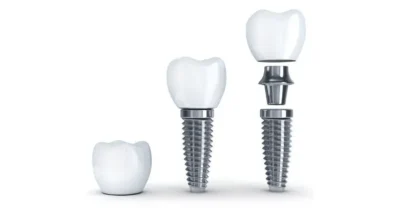
Allergic reactions to dental implants are extremely rare, with a prevalence estimated at less than 1%. Most implants are made from titanium or titanium-zirconium alloys — materials known for their biocompatibility and durability. Still, when a patient’s immune system identifies the implant as a foreign substance, an allergic response can occur.
Causes of Allergic Reactions to Dental Implants
Several factors can contribute to an allergic reaction after implant placement, including:
- Improper or unsterile implant placement
- Infection around the implant site
- Damage to the implant surface during surgery
- Use of low-quality or impure implant materials
- Immune system disorders or autoimmune diseases
- Metal sensitivity, especially to nickel or titanium
Symptoms of Dental Implant Allergy
Patients with implant allergies may experience one or more of the following symptoms:
- Persistent pain or swelling around the implant
- Redness or inflammation of the gums
- Loose or mobile implant
- Difficulty chewing
- Pus or discharge from the implant site
- Skin rashes, eczema, or oral itching
- Bone loss around the implant
Diagnosis of Implant Allergy
Before undergoing implant surgery, patients with a history of metal allergies should discuss their medical background with their dentist. Two common tests help identify potential allergic reactions:
- Patch Test: A surface test applied to the skin to check for reactions to metals.
- MELISA Test (Memory Lymphocyte Immuno-Stimulation Assay): A blood test that measures immune responses to specific metals such as titanium.
Treatment and Prevention
If an allergic reaction occurs, the dentist may remove the implant and treat any infection with antibiotics. Once the inflammation subsides, the patient can receive a different type of implant made from hypoallergenic materials such as zirconia.
Tips to Prevent Implant Allergies:
- Always inform your dentist about any known allergies or immune conditions.
- Request allergy testing before surgery if you suspect metal sensitivity.
- Choose clinics that use high-quality, certified implant systems.
- Maintain proper oral hygiene after surgery to reduce infection risks.
- Avoid smoking and alcohol consumption during recovery.
Why Material Quality Matters
High-grade titanium implants are nearly 100% biocompatible. However, low-quality or counterfeit implants may contain nickel or other metals that increase allergic risks. For this reason, choosing a trusted dental provider that uses authentic and certified implant systems is crucial.
Final Thoughts
Although dental implant allergies are rare, they can cause serious complications if left untreated. Patients should always consult with experienced professionals and undergo allergy screening if needed. With proper diagnosis, high-quality materials, and advanced surgical techniques, dental implant treatment can be safe, durable, and highly successful.
Sayeh Gostar Salamat proudly imports and supplies advanced dental and medical equipment, supporting clinics and specialists with top-tier implant technologies and biocompatible solutions.