


In today’s medical world, speed, safety, and standardized healthcare services have become more important than ever. The growing number of healthcare centers, the rise of specialized surgeries, and increased sensitivity toward hospital-acquired infections have made disposable medical equipment an inseparable part of modern healthcare systems.
From a simple syringe to equipment used in advanced surgeries and dental treatments such as implant procedures, many medical tools are now designed for single use to ensure maximum safety for both patients and healthcare staff.
In this article, we comprehensively examine disposable medical equipment, its advantages, challenges, and future trends, as well as its role in dental equipment and delivering the best implant solutions.
What Is Disposable Medical Equipment?
Disposable medical equipment refers to tools and devices designed for single use or use on one patient only, after which they must be discarded. The primary purpose of these products is to prevent cross-contamination and infection transmission between patients and healthcare professionals.
Common Examples of Disposable Medical Equipment
- Syringes and injection needles
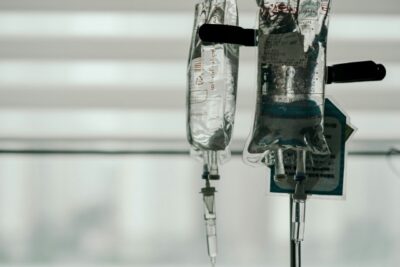
- IV sets and infusion equipment
- Medical gloves
- Surgical masks and gowns
- Medical tubes and catheters
- Surgical blades
- Wound dressing supplies
- Sample collection containers
- Consumable equipment used in dentistry and implant surgeries
Advantages of Using Disposable Medical Equipment
Reduced Risk of Infection Transmission
The most important advantage of disposable equipment is eliminating the chain of infection transmission between patients. This is particularly critical in operating rooms, ICUs, emergency departments, and dental clinics.
In procedures such as dental implant placement, even minimal contamination can affect treatment success. Therefore, using sterile disposable equipment directly contributes to safer and more successful outcomes.
Saving Time and Human Resources
Because disposable devices do not require cleaning or resterilization, healthcare facilities benefit from improved efficiency.
- Faster healthcare service delivery
- Reduced preparation time
- Lower workload for medical staff
Consistent Quality and Ready-to-Use Equipment
Disposable devices are manufactured and sterilized under controlled industrial conditions, ensuring consistent quality and reliable performance with each use.
Reduction in Sterilization Costs
Although disposable equipment may initially appear more expensive, eliminating sterilization-related expenses often results in overall cost savings for healthcare facilities.
- No need for sterilization equipment
- Reduced requirement for specialized staff
- Lower consumption of disinfectants

Challenges and Disadvantages of Widespread Use
Increase in Medical Waste
Disposable medical equipment generates a large volume of infectious and plastic waste, making proper waste management and disposal a significant challenge.
Higher Long-Term Operational Costs
In high-volume hospitals and clinics, continuous use of disposable supplies may increase ongoing operational costs and requires careful financial planning.
Dependence on Imports
In many countries, a substantial portion of disposable medical equipment is imported, and currency fluctuations or supply chain disruptions can complicate procurement.
The Future of Disposable Medical Equipment
Biodegradable Disposable Equipment
Manufacturers are increasingly developing products designed to minimize environmental impact after disposal.
Optimized Design and Reduced Material Consumption
- Lighter product designs
- Lower raw material usage
- Reduced production costs
Expansion of Domestic Manufacturing
Many countries are investing in local production of disposable medical equipment to reduce reliance on imports and enhance supply security.
Smart Disposable Equipment
In the future, some disposable devices may incorporate smart sensors to monitor patient conditions and improve clinical outcomes.
The Role of Disposable Equipment in Dental Implant Treatments
In advanced dental procedures, particularly implant placement, strict sterilization protocols and the use of standardized disposable tools directly influence treatment success. Using disposable surgical instruments and consumables alongside the highest-quality implant systems helps minimize infection risks and improve long-term outcomes.
The Role of Sayeh Gostar Salamat in Supplying Medical Equipment and Implants
Sayeh Gostar Salamat, as an importer and supplier of medical equipment and dental implants, is committed to providing standardized, reliable, and high-quality products to healthcare centers and dental professionals.
Supplying safe disposable equipment together with access to the best implant solutions helps reduce treatment risks and enhances patient satisfaction—one of the key priorities in modern healthcare.
Conclusion
Disposable medical equipment plays a vital role in improving treatment safety, reducing hospital-acquired infections, and increasing healthcare efficiency. Nevertheless, challenges such as medical waste generation and ongoing operational costs remain.
The future of this industry lies in developing safer, more cost-effective, and environmentally friendly products. Combined with advanced medical technologies and high-quality implant solutions, these innovations will continue to elevate global healthcare standards and deliver safer treatment experiences for patients worldwide.