


Good Oral Hygiene: A Foundation for Your Overall Health
Good oral hygiene isn’t just about a bright smile; it’s a cornerstone of your overall health. Effective oral care goes a long way in preventing a variety of dental problems and can even lower your risk of systemic diseases. This article explores what oral hygiene entails, why it’s so important, and how maintaining it can support your general well-being.
What Does “Oral Hygiene” Really Mean?
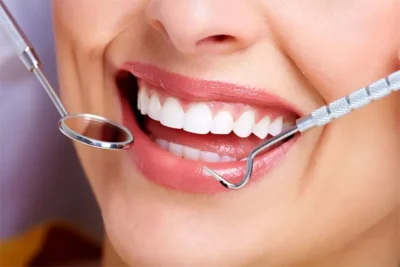
Oral hygiene refers to the daily habits and practices that keep your mouth clean and free from disease. This includes regular brushing, flossing, tongue cleaning, and using antibacterial mouthwash. Don’t forget, routine dental checkups and professional cleanings are also crucial for maintaining optimal oral health.
Why Is Oral Hygiene So Important?
Maintaining good oral hygiene helps ward off common issues like:
- Tooth decay (cavities)
- Gum disease (gingivitis and periodontitis)
- Bad breath (halitosis)
- Tooth loss
But the benefits extend far beyond your mouth. Research indicates that oral infections can impact other parts of your body. For instance, bacteria from gum disease can enter the bloodstream and potentially contribute to health problems such as:

- Cardiovascular disease
- Stroke
- Endocarditis (an infection of the heart’s lining)
- Respiratory infections like pneumonia
- Pregnancy complications, including premature birth and low birth weight
Conversely, certain medical conditions—such as diabetes, osteoporosis, HIV/AIDS, and Alzheimer’s disease—can also negatively affect oral health. It’s a two-way street!
Common Signs Your Oral Hygiene Needs Attention
Being aware of the warning signs can help you address issues before they become more serious. Keep an eye out for these symptoms:
- Bleeding or swollen gums
- Toothaches or sensitivity
- Persistent bad breath
- Gum recession
- Loose teeth
- Sores in the mouth that don’t heal
- Swelling in the jaw
If you notice any of these signs, it’s a good idea to consult a dental professional.
Simple Steps to Maintain Excellent Oral Hygiene
Consistent oral care habits can significantly improve both your dental and overall health. Here are key steps to incorporate into your daily routine:
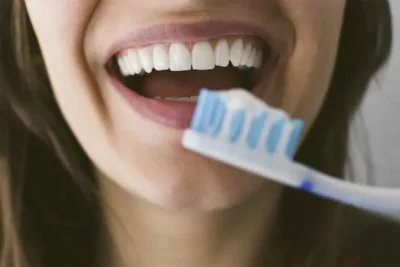
- Brush Twice Daily: Use a soft-bristled toothbrush and fluoride toothpaste. Hold your brush at a 45-degree angle to your gums and make sure to clean all tooth surfaces, including the back and chewing surfaces.
- Floss Daily: Flossing is essential for removing plaque and food particles from between your teeth, where your toothbrush can’t reach. If you have limited dexterity, dental picks or interdental brushes can be helpful alternatives.
- Clean Your Tongue: Bacteria can accumulate on your tongue, contributing to bad breath. Gently brush your tongue or use a tongue scraper to keep it clean and reduce odor.
- Consider Antibacterial Mouthwash: Alcohol-free mouthwashes can help reduce bacteria and plaque without causing dry mouth.
- Limit Tobacco Use: Smoking and tobacco use are major risk factors for gum disease and oral cancer. Reducing or eliminating tobacco can significantly improve your oral health.
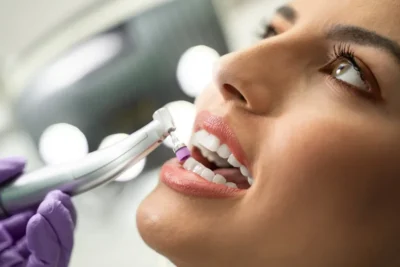
- Visit Your Dentist Regularly: Routine checkups allow for early detection and treatment of potential issues. While many people benefit from biannual visits, individuals with specific conditions might require more frequent care.
The Connection: Oral Hygiene and Your Overall Health
Ongoing research continues to highlight the strong link between oral health and chronic conditions such as heart disease, diabetes, and respiratory illnesses. Prioritizing oral hygiene may not only protect your teeth and gums but also potentially reduce the risk of developing or worsening these systemic health problems.
Choosing the Right Oral Care Products

When selecting oral care products, look for those that have been tested and approved by reputable dental associations, such as the ADA Seal of Acceptance in the United States. This includes:
- Fluoride toothpastes
- Soft-bristled toothbrushes
- Interdental cleaning tools
- Alcohol-free antibacterial rinses
The best product for you often depends on your individual needs and preferences. For personalized recommendations, consulting a dental professional is always a wise choice.
Conclusion
Oral hygiene is a simple yet incredibly powerful tool in preventive healthcare. Regular brushing, flossing, and dental visits not only help protect against cavities and gum disease but also play a vital role in supporting your overall health. By staying informed and practicing consistent daily care, you can contribute significantly to your long-lasting oral and systemic well-being.
Disclaimer: This article is intended for informational purposes only and should not be considered a substitute for professional medical or dental advice. For diagnosis or treatment of any oral health condition, please consult a licensed dentist or healthcare provider.