


The placenta secretes hormones during pregnancy that can cause the mother’s blood sugar to increase. Normally, the pancreas produces enough insulin to control this increase, but if this does not happen, blood sugar levels increase, leading to gestational diabetes.
How to prevent gestational diabetes?
Whether you are planning to have a baby or are currently pregnant, it is better to know the methods of treating diabetes during pregnancy to ensure the health of yourself and your little one; there is no 100% guarantee that gestational diabetes will not occur, but by considering some tips, you can reduce the risk of diabetes and pregnancy.
Choose foods that are high in fiber and low in calories and fat; focus on fruits, vegetables, and whole grains. Try to maintain a variety of foods to get the nutrients your body needs. Don’t forget to consider portion sizes.
Exercise before and during pregnancy prevents gestational diabetes. Try to exercise for 30 minutes a day. Walking, cycling, and swimming are good for you. If this time is difficult for you, you can reduce the time and increase the number of times a day. Walking to nearby destinations is a good way to force yourself to reach your goal. Every step increases your health.
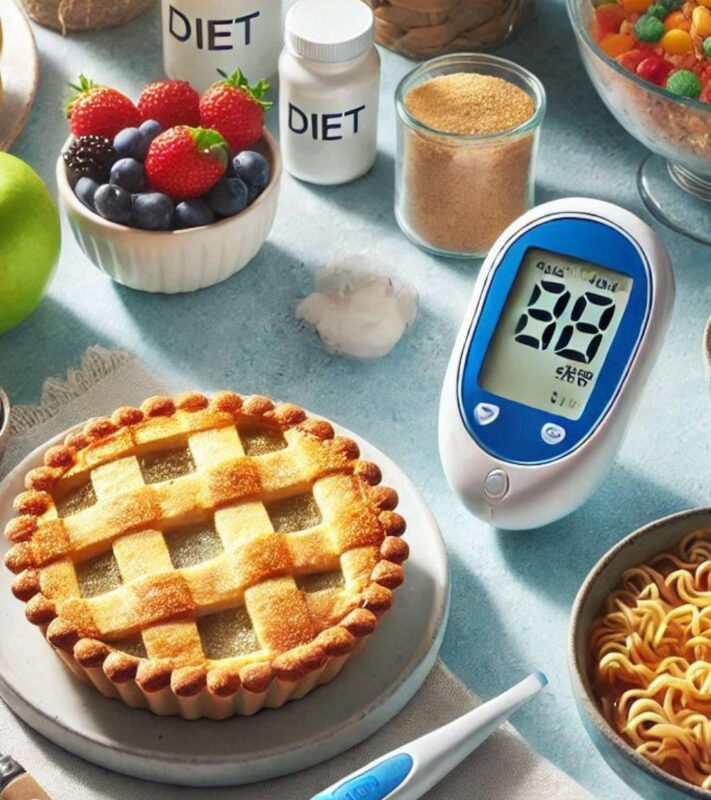
Lose weight before trying to get pregnant.
Doctors do not recommend losing weight during pregnancy, but if you are planning to have a baby, lose weight before then, change some of your eating habits, and motivate yourself to lose weight because you will gain better health in the long run, including heart health, more energy, and higher self-confidence.
Be sure to talk to your doctor and counselor and take their care recommendations seriously for better health and blood glucose control. When you are in constant contact with your specialist, you can measure your blood glucose levels regularly and not worry about your health or that of your fetus.
To ensure your health, ask your doctor or nutritionist to recommend a diet for gestational diabetes. Prioritizing your diet with nutritious foods before and during pregnancy will go a long way toward helping you control your blood sugar. Treating gestational diabetes with nutrition is a healthier approach. Endocrinologists can help you if you are at high risk for gestational diabetes. It is also a good idea to consult your gynecologist. Continue to be as physically active as possible, despite your new and temporary condition.

Risks and factors that increase gestational diabetes
High blood sugar during pregnancy can cause the baby to grow too fast and become too large, which can cause problems during delivery. Also, if gestational diabetes is not properly controlled, it can lead to the birth of a baby with low blood sugar, jaundice, or breathing problems. However, if you have gestational diabetes, your doctor will help you control your blood sugar during pregnancy.
The presence of the following factors increases the risk of developing gestational diabetes in the mother:
- Weight gain before pregnancy
- Family history of diabetes
- Polycystic ovary syndrome (PCOS)
- High blood pressure, high cholesterol, or heart disease
- History of gestational diabetes, stillbirth, miscarriage, or large baby weighing more than 3400 grams in previous pregnancies
- A history of problems with insulin or blood sugar, such as insulin resistance, glucose intolerance, or prediabetes
Symptoms of gestational diabetes and treatment of gestational diabetes
Women who have had diabetes in previous pregnancies are at higher risk of developing hypoglycemia and hyperglycemia. Gestational diabetes has its own complications, which vary depending on the type.
Hypoglycemia
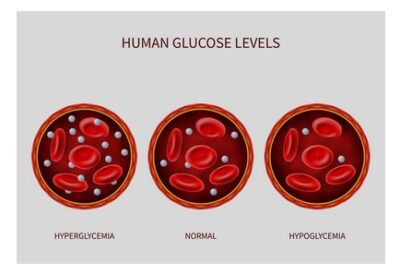
Hypoglycemia occurs when blood glucose levels are low. When this substance is low in the blood, the body does not have the energy it needs. Blurred vision and unusual fatigue may also be seen in this condition. Sometimes physical and mental conditions change suddenly. In order to avoid this condition in a person, there are some points to consider.
- Eat meals at specific times.
- Don’t even think about not eating.
- Avoid small, nutrient-poor meals and eat in moderation.
- Do not do physical activities more than necessary.
- Hypoglycemia is generally treated by eating or drinking anything that contains sugar, such as orange juice.
Hyperglycemia
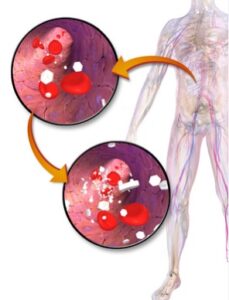
Hyperglycemia occurs when the body doesn’t have enough of the hormone insulin or can’t use it properly. If you’re always thirsty, suddenly losing weight, and using the bathroom a lot, seek treatment for hyperglycemia.
- Restore balance to substance use.
- Fix the problem of getting insulin.
- Put stress aside.
- For greater health, be careful of illness.
- Increase your physical activity.
- Hyperglycemia is generally treated by adding insulin to the blood.
- Treatment of gestational diabetes and insulin injections should be done under the supervision of a doctor.
How to treat gestational diabetes
Following the following tips can help you control blood sugar and gestational diabetes:
Special importance to diet
Your doctor may refer you to a dietitian to help you develop a meal plan. This meal plan should be tailored to your gestational diabetes to provide enough calories and nutrients for your growing baby. The dietitian will tell you the total number of calories a woman of your height and weight needs each day. About 2,200 to 2,500 calories per day is typical for an average-weight woman. If you are overweight, this may be reduced to about 1,800 calories per day. The dietitian will teach you how to maintain a balanced diet.
It will probably suggest the following to you:
- Get the remaining 40% or more of your calories from carbohydrates such as bread, grains, pasta, rice, fruits, and vegetables.
- Get 10 to 20 percent of your calories from protein sources such as meat, cheese, eggs, seafood, and legumes.
- Get less than 30% of your calories from fat.
- Get less than 10 percent of your calories from saturated fat.