


The Complete Guide to Dental Implant Aftercare: From Day One to Lifelong Success
Dental implants are one of the most reliable and modern methods for replacing missing teeth. However, for this investment to be successful and for your implant to function for years without any issues, following dental implant aftercare instructions is crucial. These care steps are as important as the surgeon’s skill and guarantee the ultimate success of the treatment.
In this article, we will thoroughly and step-by-step cover all the necessary measures from the initial hours after surgery to achieving the final result. Join us to learn the key tips for caring for your implant.
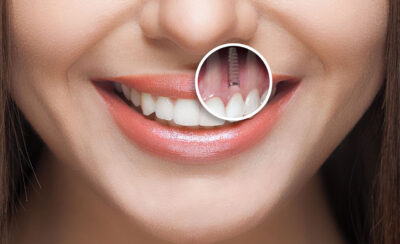
Essential Care in the First 24 Hours After Implant Surgery
The initial hours after the procedure are the most critical time for the mouth’s tissues and gums. During this phase, you must act with extra caution. Take these points seriously:
- Consume Only Cold and Soft Foods/Liquids: To prevent bleeding and irritation at the surgical site, avoid any hot food or drink for the first 12 hours. Cold soup, smoothies, and yogurt are excellent choices.
- Use an Ice Pack: To reduce swelling after an implant, apply an ice pack to the cheek near the surgical area for 15 minutes at a time, for up to 12 hours.
- Minor Bleeding is Normal: If you notice a little blood, do not worry. Place a sterile gauze pad over the site and apply gentle pressure. If the bleeding is severe or prolonged, be sure to contact your dentist.
- Do Not Rinse Your Mouth for 24 Hours: Avoid vigorous rinsing or spitting. This can dislodge the blood clot that has formed and lead to renewed bleeding.
- No Smoking or Alcohol: The use of tobacco and alcohol significantly slows down the healing process and increases the risk of infection. Stay away from them for at least a week after surgery.
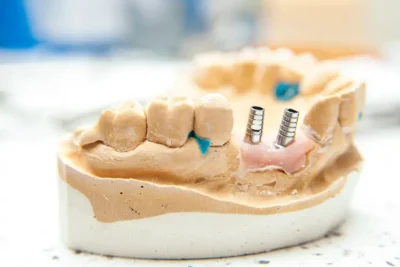
Care in the First Week Following Implant Placement
After the first 24 hours, the situation becomes slightly more stable, but you still need to be very cautious. Add these items to your daily routine:
- Continue a Soft Diet: It is still too early to eat hard or crunchy foods. Focus on light meals like mashed potatoes, soup, boiled eggs, and soft pasta.
- Rinse with Lukewarm Saltwater: After each meal, gently rinse your mouth with a lukewarm saltwater solution (one teaspoon of salt in a glass of water). This helps keep the surgical area clean.
- Brush with Care: When brushing, be careful around the stitches. Use a soft-bristled toothbrush to clean your other teeth. Also, use a chlorhexidine mouthwash if prescribed by your dentist.
- Stitch Removal: If your stitches are non-dissolvable, you will typically need to visit your dentist for removal between the seventh and tenth day.
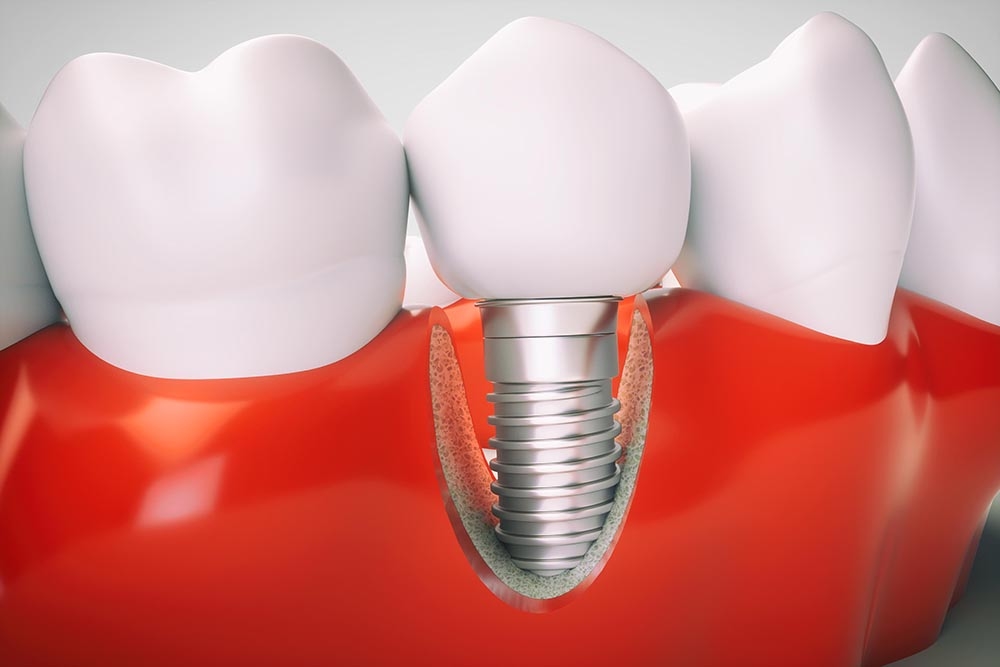
Care from Two to Six Weeks After Your Implant
During this period, the crucial process of osseointegration (the fusing of the implant with the jawbone) is underway. Applying excessive pressure can disrupt this process.
- Maintain Oral Hygiene: Regular brushing and the use of alcohol-free mouthwash are very important. By keeping your mouth clean, you will prevent the buildup of bacteria and infection.
- Continue to Avoid Tobacco: Smoking at this stage can significantly increase the likelihood of the implant failing.
- Gradually Introduce Allowed Foods: You can now begin to add softer foods to your diet, such as cooked rice, fish, steamed vegetables, and minced meat.
- Avoid Hard Foods: Crispy rice, hard bread, nuts, and jerky are still prohibited.
Important Tips for Your Diet After a Dental Implant
Excessive pressure on the implant can damage the healing process. Therefore, choosing the right foods is particularly important:
-
Prohibited Foods:
- Hard breads
- Tough or bony meat
- Nuts and seeds
- Chewing gum and hard candy
-
Allowed Foods:
- Soft fruits like bananas and avocados
- Soups and stews
- Fish, chicken, and minced meat
- Yogurt and other soft dairy products
The Importance of Using Special Mouthwashes for Implants
To prevent infection and maintain the health of the tissues around the implant, using the right mouthwash is recommended:
- Use alcohol-free mouthwashes. Alcohol can cause dryness and irritate the tissues.
- Rinse your mouth twice a day for 30 seconds each time.
- Avoid eating or drinking for at least 30 minutes after using the mouthwash.
Taking Prescribed Medications After Implant Placement
Your dentist will prescribe medications to control pain, swelling, and prevent infection. Taking these medications regularly and precisely is vital:
- Pain Relievers: To manage pain, medications such as ibuprofen or acetaminophen are usually prescribed.
- Antibiotics: To prevent potential infection, antibiotics must be taken as directed by your doctor and the full course completed.
If you experience a fever or severe pain that is not managed by medication, be sure to contact the clinic.
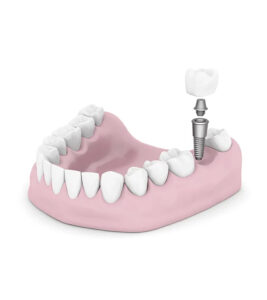
Consequences of Neglecting Post-Implant Care
Ignoring your dentist’s recommendations can have serious and costly consequences, including:
- Infection and inflammation in the implant area
- A loose temporary crown or damage to the stitches
- Severe and prolonged bleeding
- Treatment failure, where the implant does not fuse with the bone, ultimately leading to its loss
Conclusion: Ensure Implant Success with Simple Steps
Caring for your dental implant is an investment in its success and longevity. By following a proper diet, maintaining meticulous oral hygiene, and adhering to your dentist’s instructions, you can easily get through the recovery period and enjoy your beautiful, complete smile for many years to come.
Remember that regular visits to your dentist (every 6 months) for a check-up are the best way to ensure the long-term health of your implant.