


Permanent vs. Removable Dental Implants – A Practical Guide
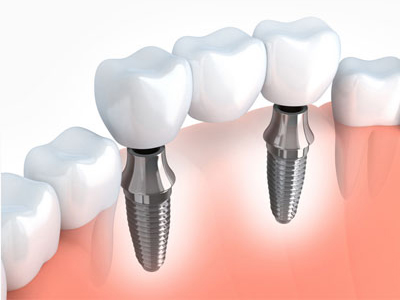
Missing teeth can affect not only your smile but also your ability to eat and speak comfortably. One of the most effective modern solutions is dental implants—artificial tooth roots placed into the jawbone to support replacement teeth. These implants are usually made from strong materials like titanium, which fuse with your bone to create a stable base.
When it comes to implants, patients often choose between permanent (fixed) dental implants and removable dental implants. The main difference lies in how the replacement teeth are attached:
- Permanent implants are fixed in place and can only be removed by a dentist.
- Removable implants can be easily taken out and put back in by the patient.
Let’s explore each option in detail—their features, benefits, and drawbacks—so you can make a confident, informed decision.

What Are Permanent Dental Implants?
Also called fixed implant-supported dentures or screw-retained dentures, permanent implants are designed to look, feel, and function like your natural teeth. The procedure involves surgically placing metal posts—typically titanium or zirconia—into the jawbone. Over time, these posts fuse with the bone (a process called osseointegration), providing exceptional stability.
The visible teeth on top are often made from porcelain or composite resin, custom-shaped and colored to blend perfectly with your smile. Unlike traditional dentures, they stay in place all the time and don’t require adhesives.
Advantages
- Allow you to eat, speak, and smile with complete confidence.
- Help maintain facial structure by preventing bone loss.
- No slipping, shifting, or gum irritation.
- Excellent for patients with strong, healthy jawbones.
- A natural look that matches your other teeth.
Tip: While no special cleaning tools are mandatory, some patients prefer using water flossers or small brushes to clean the gumline area.
Disadvantages
- Higher cost compared to removable options.
- Longer healing process.
- Not suitable for patients with severe bone loss.
- Require proper daily care to avoid infections.
What Are Removable Dental Implants?
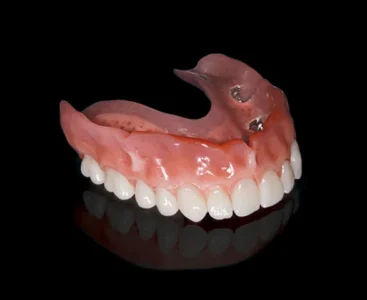
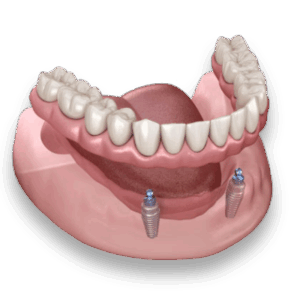
Commonly known as snap-on dentures, removable implants are a hybrid between traditional dentures and permanent implants. They require less bone density, making them suitable for more patients. A special connector allows you to snap them in and out of place without professional assistance.
The teeth are typically made from acrylic and can be easily removed for cleaning or adjustments.
Advantages
- Less invasive surgery and faster recovery.
- Easy to remove and clean—no adhesives needed.
- Adjustable and replaceable if needed.
- Suitable for patients with reduced bone density.
- Usually more affordable than fixed implants.
- Can be removed after meals for thorough cleaning.
Disadvantages
- May feel bulkier and less natural.
- Provide less bite strength compared to fixed implants.
- Can cause gum soreness in some patients.
- May need more frequent adjustments or repairs.
- Offer less stimulation to the jawbone, which may lead to bone loss over time.
Treatment Process for Each Type
Permanent Dental Implants
- Initial consultation and imaging (X-ray or CBCT scan)
- Surgical placement of the implant posts into the jawbone
- Healing and osseointegration (3–6 months)
- Attaching the permanent replacement teeth
Removable Dental Implants:
- Consultation and treatment planning
- Placement of fewer implant posts
- Shorter healing period (6–8 weeks)
- Fabrication and fitting of the snap-on denture
Cost and Insurance Considerations
In most cases, permanent dental implants are more expensive than removable ones, due to the greater number of components, surgery time, and skill involved. In many countries, insurance plans cover part of denture costs but may not fully cover implants. Always check your coverage and get a cost estimate before starting treatment.
Longevity and Maintenance
- Permanent implants: With proper care, can last 15 years or more—often for life. Daily brushing, flossing, and regular dental check-ups are essential.
- Removable implants: Typically last 5–10 years. Require daily removal for cleaning and periodic adjustments.
Who Is a Good Candidate?
- Overall good health with no uncontrolled medical condition
- Non-smoker or willing to reduce smoking
- Healthy gums and adequate jawbone (or willingness to undergo bone grafting if needed)
- Commitment to daily oral hygiene and routine dental visits
Which Option Is Right for You?
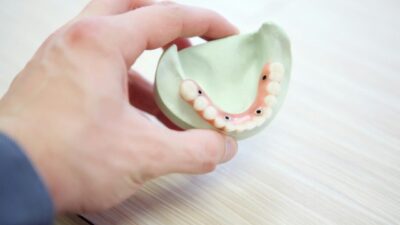
The choice between permanent and removable dental implants depends on
several factors, including:
- Bone quality and density
- Overall oral health
- Budget and insurance coverage
- Lifestyle and personal preferences
A consultation with a qualified dentist is the best way to determine the most suitable option for your needs. They can assess your unique situation and guide you toward the treatment that will give you the best balance of comfort, function, and aesthetics.