


With advances in modern dentistry, different implant placement techniques have been introduced,
the most common being immediate dental implants and conventional (traditional) dental implants.
Choosing between these two approaches is a common concern for many patients.
What Is a Dental Implant and Why Is It Important?
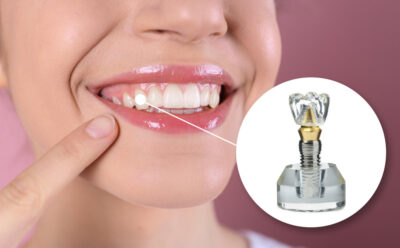
A dental implant is a fixed prosthetic solution designed to replace the root of a missing tooth and is placed directly into the jawbone.
This implant fixture, typically made from medical-grade titanium, integrates with the bone and supports a dental crown,
providing both functional performance and a natural appearance.
When the highest-quality dental implant is used and the procedure is performed correctly,
dental implants can last more than 25 years.
What Is an Immediate Dental Implant?
An immediate dental implant, also known as a same-day or one-day implant,
is a technique in which the implant fixture is placed immediately after tooth extraction during the same appointment.
In many cases, a temporary crown is also installed so the patient does not experience even a single day without a tooth.
Key Features of Immediate Dental Implants
- Significantly shorter treatment time
- Preservation of smile aesthetics from day one
- Fewer dental visits required
- Suitable for patients with healthy gums and sufficient bone density
What Is a Conventional (Traditional) Dental Implant?
In the conventional implant approach, several months (typically 2 to 4 months) are required after tooth extraction
to allow proper healing of the gums and jawbone.
The implant fixture is then placed, followed by another healing period for osseointegration,
after which the final crown is installed.
Key Features of Conventional Dental Implants
- Higher safety in complex clinical cases
- Suitable for patients with bone loss or periodontal disease
- Allows bone grafting prior to implant placement
Immediate or Conventional Implant: Which Is Better?
There is no universal answer to this question.
The choice between immediate and conventional dental implants depends on several factors,
including gum health, jawbone density, number of missing teeth, and the patient’s overall health condition.
In ideal conditions, immediate implants offer a fast and efficient solution.
However, in cases involving active infection or the need for bone grafting,
conventional implants remain the safer and more predictable option.
Key Differences Between Immediate and Conventional Dental Implants
Treatment Duration
Immediate dental implants are typically completed in one or two sessions,
whereas conventional dental implants may take 9 to 12 months to complete.
Recovery Period
Immediate implants generally have a shorter recovery period,
while conventional implants require more time for tissue healing.
Risk of Infection
The risk of infection is slightly higher with immediate implants,
whereas conventional implants offer increased safety due to staged healing.
Durability and Treatment Success
When the best dental implant is used and clinical protocols are followed,
both methods demonstrate high success rates of approximately 95%.
Surgeon expertise, post-treatment care, and implant quality play a critical role in long-term outcomes.
The Role of Medical Equipment and Implant Quality
The use of certified medical equipment and high-quality dental implants
significantly reduces the risk of implant failure, infection, and long-term complications.
Implant quality is a key factor in the success of both immediate and conventional procedures.
The Role of Sayeh Gostar Salamat in Dental Implant Supply
Sayeh Gostar Salamat is a trusted importer and supplier of medical equipment and dental implants,
committed to international quality standards.
By providing access to the highest-quality dental implants,
the company supports clinicians in achieving predictable and successful implant treatments.
Conclusion
Both immediate and conventional dental implants are proven and effective solutions for replacing missing teeth.
The appropriate method should be selected based on individual clinical conditions and professional diagnosis.
Ultimately, using premium-quality implants and working with reliable suppliers
such as Sayeh Gostar Salamat ensures long-term durability, aesthetics, and treatment success.